Cinema Roma -Sematat RD.


 The great myth (sadly many myths exist about Eritrea) and rumors circulating that the reason why this airport has yet to begin operations are due to political concerns is utterly wrong. According to our guide it is simply technical. According to COMESA Regional Investment Agencys website (which predominately lists Massawa International Airport as an investment opportunity in the country) the companies which undertook the project have no international license, therefore the airport has yet to host international flights. Like the parallel and continually economic turns the country has seen throughout history a fully functional Massawa International Airport is emblematic. To appreciate a moment requires time to slow down as it accelerates. Like unearthing a precious resource that has never been utilized, it will be interesting to see the airports long awaited future employ as a budding corridor in the longingly conflicted Red Sea region. A third and maybe clairvoyant last look leaves me eager.


 An ecological goldmine, if you do some exploring you can see just about everything from aquatic life, to bird watching, crustaceans, and of course camels.
 Get some PERSPECTIVE
Massawa is one of two port cities in Eritrea bordering the Red Sea. Historically and culturally speaking Massawa has remnants of its ancient influence on the world as well as the world’s influence and ambition for it. Traveling the islands in between causeways, the remnants of the many ancient and present-past colonizers imposition on Massawa give the city a distinct disposition, a timeless city that has seen raiders of its desire and its devastation.
A Lesson in Histories
What is now Massawa in ancient times was known as the port city of Adulis. Adulis is one of the first known world ports and trade centers dating back as far as 3rd Century B.C. Trade occurred between Adulis, the Middle East, the Far East, Greco-Roman and the Western world. Adulis ushered in the emergence of the East African city-states as this port enabled the trading and commerce necessary to create the Axumite Kingdom and other inland city-states in present day Eritrea like Kohito, Keskese and Metera.
To understand the history of Massawa is really to understand the history of the entire Eritrean experience and its relation to the world. Below is a general timeline of what the city of Massawa has endured.



 PHOTO: Despite some reporters’ observations of Massawa being “undeveloped”, monuments like this one are left as a reminder of the destruction and toll Massawa has endured throughout the years. Nearly 90% of the city was destroyed by the Dergue regime (Ethiopian) during the Eritrean liberation struggle.
 PHOTO: Abdelkadir Kebire's Tomb looking out onto the Red Sea.
Abdelkadir Kebire was one of the founding fathers of the "Eritrea for Eritreans" political party during the British administration of their country. A representative from Dahlak, he was a prominient speaker and political influence in Eritrean society. He was assassinated at the city center the day before he was to visit New York to address the UN General Assembly in regards to Eritrea and his parties stance for an independent Eritrea.

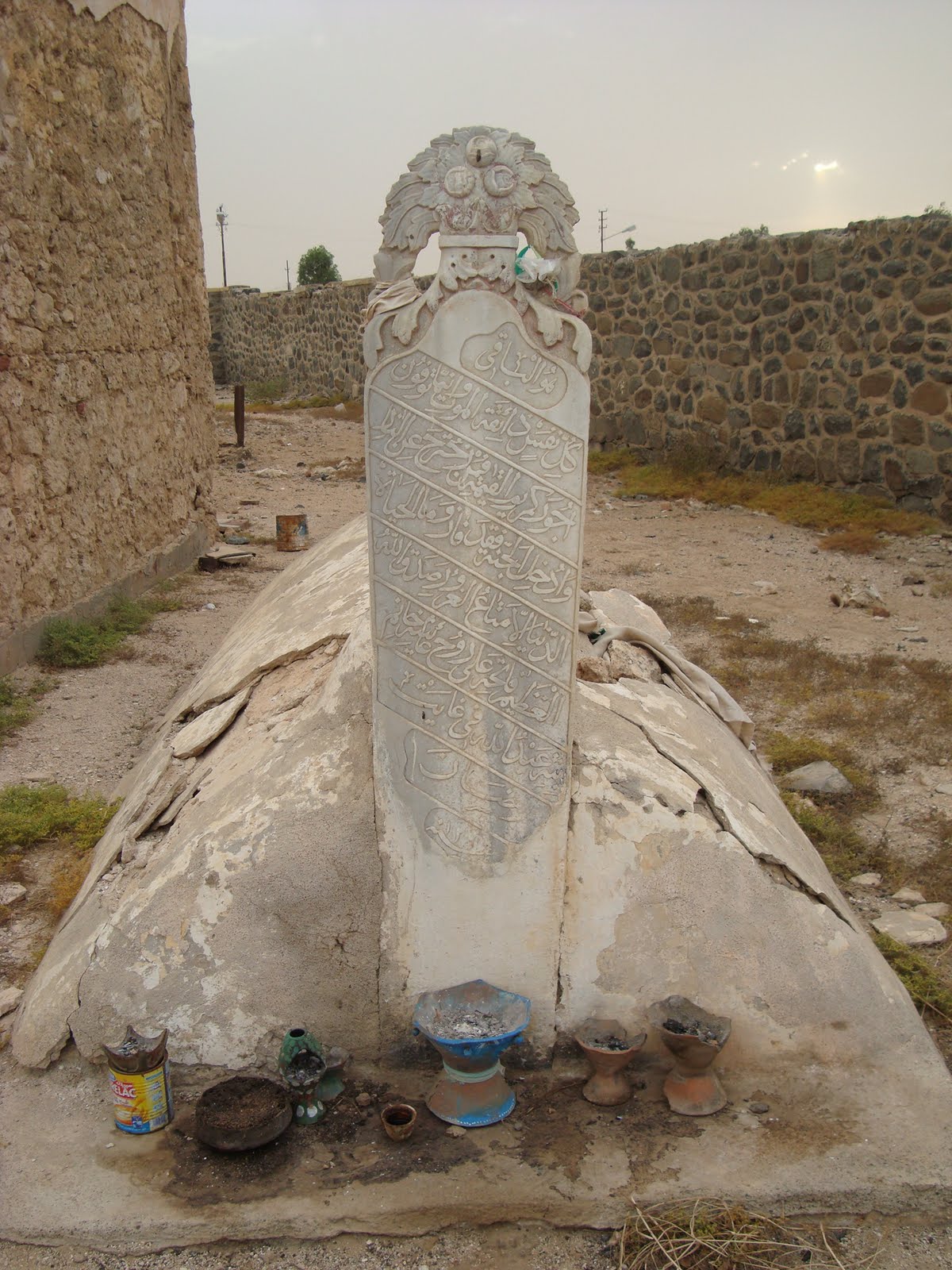


To this day people bring coffee and other gifts to remember him.
The Island of Tualud

The War Monument of Operation Fenkil – The three tanks facing the linking causeway as you enter Tualud is a statue of the exact place where the EPLF tanks halted in February 1990 when finally liberating Massawa. It also serves as the memorial site for the many civilians and martyrs that sacrificed their lives in Massawa.

PHOTO: National Holiday February 10: Operation Fenkil Anniversary

On this island you can find several inland hotels. Including the newly inaugurated Grand Dahlak Hotel. Previously Dahlak Hotel it was reconstructed. It has now become a primer attraction and destination stay.
PHOTO: Offices Twin Towers

PHOTO: Imperial Palace of HaileSelassie


In areas with such an uneven landform like Durfo the construction of these roads are instrumental in bridging the gap between the rural and city areas. Construction of new roads is a pivotal project taken on throughout Eritrea, as you will see in later posts.
This photo is of colonial Italian infrastructure. An electrical pipeline to generate electricity to the bottom of the escarpment.


From an historical context Durfo was a strategic site during the Eritrean Liberation Struggle, in particular Adi Reasi. Which is a far off mountain that is visible from the other side. It’s name as a literal translation means “Village Atop/Head”. This is when Eritrean freedom fighters were trying to re-liberate areas taken during the liberation struggle (which lasted 30 years, the longest conflict in African history) and move towards the liberation of Asmara from occupying forces.

PHOTO: A walk in between the clouds.

 Get some PERSPECTIVE
Neighborhoods: Tiravolo, Tsetserat, Sembel, Downtown
City: Asmara Country: Eritrea Region: East Continent: Africa


